
Key Terms in Email Marketing

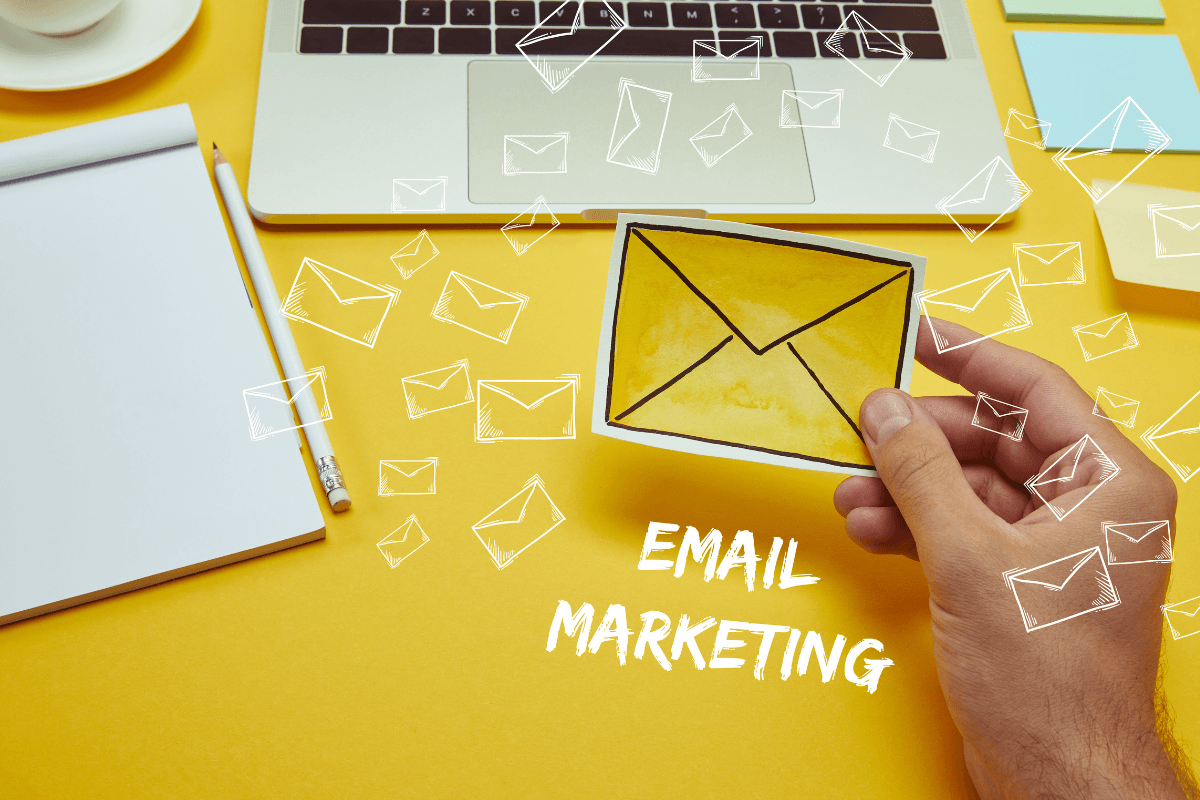
Email marketing is a powerful digital marketing strategy that involves sending emails to prospects and customers. Effective email marketing can convert prospects into customers and turn one-time buyers into loyal fans. It is a form of direct marketing that uses electronic mail as a means of communicating commercial or fundraising messages to an audience. Salesforce
Key Terms in Email Marketing
To navigate the world of email marketing effectively, it’s essential to understand the following key terms:
- Subscriber List: A collection of email addresses that a business has gathered from individuals who have opted in to receive communications. Maintaining a healthy subscriber list is crucial for successful campaigns.
- Open Rate: The percentage of recipients who open a given email. A higher open rate indicates that your subject lines and sender reputation are effective.
- Click-Through Rate (CTR): The percentage of recipients who clicked on one or more links in your email. This metric helps gauge the effectiveness of your email content and call-to-action.
- Conversion Rate: The percentage of recipients who completed a desired action, such as making a purchase or filling out a form, after clicking on a link in your email.
- Bounce Rate: The percentage of emails that couldn’t be delivered to recipients’ inboxes. Bounces are categorized into:
- Hard Bounce: Emails that are permanently undeliverable due to invalid addresses.
- Soft Bounce: Emails that are temporarily undeliverable due to issues like a full inbox or server problems.
- Unsubscribe Rate: The percentage of recipients who opt out from your mailing list after receiving an email. Monitoring this helps in understanding content relevance and audience engagement.
- A/B Testing: Also known as split testing, this involves sending two variations of an email to segments of your audience to determine which performs better. Elements like subject lines, images, or call-to-action buttons can be tested.
- Personalization: The practice of tailoring email content to individual subscribers based on their preferences, behaviors, or past interactions. Personalized emails often see higher engagement rates.
- Segmentation: Dividing your subscriber list into smaller groups based on specific criteria, such as demographics or purchase history, to send more targeted emails.
Autoresponder: Automated emails that are sent in response to specific subscriber actions, like signing up for a newsletter or making a purchase.
Feature: See how we can utilize these terms to grow your business >>
Real-Life Examples of Effective Email Marketing
To illustrate the power of email marketing, let’s explore some real-life examples:
- Welcome Emails: When a new subscriber joins your mailing list, sending a welcome email sets the tone for future communications. For instance, a Nigerian online fashion retailer might send a warm welcome message offering a first-time purchase discount, encouraging immediate engagement.
- Abandoned Cart Reminders: E-commerce platforms often face the challenge of customers adding items to their carts but not completing the purchase. Sending a reminder email, possibly with an incentive like free shipping, can recover lost sales. For example, a local Abuja-based tech store noticed a 15% increase in sales after implementing abandoned cart emails.
- Seasonal Promotions: Aligning email campaigns with local events or seasons can boost relevance. A digital marketer in Nigeria might craft emails around events like Black Friday or festive periods, offering exclusive deals to subscribers.
Feedback Requests: After a purchase or service completion, sending an email requesting feedback shows customers that their opinions matter and provides valuable insights for the business. For instance, a UI/UX designer could send a follow-up email asking clients to rate their satisfaction and suggest improvements.

Best Practices for Email Marketing
To maximize the effectiveness of your email marketing efforts, consider the following best practices:
- Build and Maintain a Quality Subscriber List: Ensure that your subscribers have willingly opted in to receive emails. Regularly clean your list to remove inactive or invalid addresses, which can improve deliverability and engagement rates.
- Craft Compelling Subject Lines: Your subject line is the first impression and determines whether the email gets opened. Keep it concise, relevant, and intriguing to encourage opens.
- Optimize for Mobile Devices: With a significant portion of users accessing emails on mobile devices, ensure your emails are mobile-friendly. This includes using responsive design and readable fonts.
- Include Clear Calls-to-Action (CTA): Guide your readers on what to do next, whether it’s visiting your website, making a purchase, or downloading a resource. A clear and compelling CTA can significantly boost conversion rates.
Monitor and Analyze Performance: Regularly review metrics like open rates, click-through rates, and conversions to understand what’s working and what’s not. Use this data to refine and improve future campaigns.
Common Challenges in Email Marketing
While email marketing offers numerous benefits, it’s not without challenges:
- Deliverability Issues: Ensuring that your emails land in the recipient’s inbox and not the spam folder requires maintaining a good sender reputation and adhering to best practices.
- Content Relevance: Sending generic content can lead to disengagement. It’s crucial to tailor your messages to the interests and needs of your audience.
- Regulatory Compliance: Adhering to laws and regulations, such as obtaining explicit consent before sending emails and providing easy opt-out options, is essential to avoid legal pitfalls.

Ready to Grow Your Sales Online with Email Marketing?
Stop guessing. Get proven Email marketing strategies that bring in real customers.
Get Started With Us ↗Free to start • No credit card required
FAQs
Conclusion
Email marketing remains a vital component of a comprehensive digital marketing strategy. By understanding key terms, implementing best practices, and learning from real-life examples, businesses can harness the power of email to engage audiences, drive conversions, and foster lasting customer relationships.
Ready to Grow Your Sales Online with Email Marketing?
Stop guessing. Get proven Email marketing strategies that bring in real customers.
Get Started With Us ↗Free to start • No credit card required