Google Keyword Bidding: Smart Strategies to Maximize ROI in 2026

Google keyword bidding isn’t about paying the highest price—it’s about strategy. Every search triggers an auction that weighs your bid, ad relevance, landing-page experience, and search context. That means a lower bid can still win if your quality is stronger. Smart bidding blends manual control with automation to optimize for clicks, conversions, or value. With the right keywords, smart bid adjustments, and steady monitoring, you get stronger results without wasting budget.

- Manual CPC stops Google from spending your tight budget on random, expensive search terms.
- New Google Ads accounts lack conversion data, making manual bidding safer than Smart Bidding.
- Small business owners set the exact highest amount they are willing to pay for a customer click.
- Wastage protection relies heavily on building aggressive negative keyword lists and hyper-targeted phrases.
Running Google Ads without a clear strategy will swallow your small business capital faster than a leaking fuel tank. If you want to grow your brand without burning your cash, you must check out our comprehensive Google advertising services to build a solid foundation. Taking manual control of your budget ensures that every single Naira spent brings real, paying customers straight to your digital doorstep in Nigeria.
What is a manual bidding strategy in Google Ads?
A manual bidding strategy in Google Ads is a setup where you choose the exact maximum amount of money you want to pay for a single click on your advertisement. Unlike automatic setups where Google decides the price for you, this method places you in full financial control of your wallet. Think of it like going to a local open market where you bargain and name your price for an item, rather than letting the shop owner deduct money directly from your bank account without your permission.
This approach gives small business owners the visual clarity they need to plan their daily investments without unexpected surprises from the platform. When you configure your targets manually, you act as the absolute pilot of your marketing funds instead of handing the steering wheel to an automated system. It is a highly protective strategy that keeps your cost per acquisition within realistic visual margins from day one.
Many growth managers prefer this setup because it strips away the hidden layers of optimization that make standard digital ad channels so expensive. By forcing the system to operate under strict price ceilings, you ensure that high-intent consumer traffic is bought at a fair rate. This structure lays down a firm foundation for consistent audience acquisition without putting your limited capital at severe operational risk.
How to set manual cpc in google ads step by step
Setting up manual Cost-Per-Click (CPC) requires you to bypass Google's default automated recommendations during campaign creation. First, log into your Google Ads dashboard, click on the plus icon to start a new campaign, and select your marketing objective. When you reach the bidding section, click the hidden blue link that says "Or, select a bid strategy directly." From the dropdown menu, choose "Manual CPC" and make sure to uncheck the "Enhanced CPC" box to keep absolute control over your maximum bid limits. Save your campaign settings, head over to your specific ad groups, and manually type in your preferred starting bid amount for each keyword.
This process ensures that your configurations remain entirely safe from automatic bid inflation during competitive market shifts. Many business owners miss this layout because the default layout hides manual features deep beneath multiple recommendation layers. Taking the time to uncheck automated upgrades ensures that your wallet stays secure while your target phrases gather clicks.
Once saved, you can continuously monitor and adjust these bid lines directly from your main keyword management overview screen. This granular visibility lets you spot underperforming phrases early and reduce their active pricing limits before they waste your funds. Keeping your settings adjusted manually keeps your overall traffic system entirely responsive to real local conditions.
Why manual control beats automated options for new accounts
Manual control beats automated choices for new accounts because brand new accounts do not have any historical sales data to guide Google's artificial intelligence. Automated bidding is like a smart robot that needs to see at least 30 to 50 sales within a month to learn who your actual buyers are. When you launch a brand new campaign without this data, the robot goes into a blind guessing phase, testing expensive keywords with your limited funds. Manual bidding protects your money during this vulnerable early period by forcing the system to strictly respect your price boundaries while you gather clean buyer data.
This data gap is the number one reason fresh campaigns run out of fuel before securing their first local conversions. Artificial intelligence requires massive amounts of structural feedback to understand consumer behavior patterns across competitive regions. Without a historical map, the automatic system spreads your capital across highly broad search profiles that do not match your direct commercial goals.
By locking down your bids manually from day one, you establish an affordable baseline that filters out highly volatile exploratory traffic. This disciplined approach keeps your spending entirely aligned with your actual operational capacity while your pixel tracks genuine consumer interest. Once your platform builds a healthy database of conversions, your risk profile drops significantly across the entire channel.
The difference between base manual CPC and enhanced CPC setups
Base manual CPC sets a rigid, unyielding ceiling on how much Google can charge you for a single click on your ad. If you set a base manual bid of 100 Naira, Google will never charge you 101 Naira for a user click, no matter how hot the auction gets. Enhanced CPC is a hybrid model where you set a baseline bid, but you give Google permission to automatically raise or lower that bid if its system feels a click is highly likely to result in a sale. For a small business with a tight budget, Enhanced CPC can quietly inflate your costs and drain your daily allowance before noon.
The core issue with the enhanced variant is that it introduces algorithmic flexibility back into an account that requires strict financial rigidity. When competition spikes in your niche, the platform uses this flexibility to chase higher ad positions by overbidding on your target keywords. This automated aggression often leads to an unexpected increase in your average costs without a matching jump in sales volume.
Sticking strictly to a base manual setup guarantees that your financial boundaries remain completely firm regardless of external auction trends. This allows you to manage multiple product lines simultaneously with full confidence that your budget limits will never be exceeded. Maintaining this strict level of control is essential for long-term survival in highly competitive modern industries.
How Google calculates your actual cost per click in real-time
Google calculates your actual cost per click based on a live mathematical formula called Ad Rank, which combines your maximum bid with your Ad Quality Score. You do not always pay your maximum bid amount when a user clicks your link. The system looks at the competitor ranking directly below you, divides their Ad Rank by your Quality Score, and adds a single kobo to the final result. This means that if you build highly relevant landing pages and write excellent ad text, Google will reward you with a much lower actual price per click than your maximum bid limit.
This auction mechanism shows why structural alignment is far more valuable than simply throwing large amounts of money at a campaign. High quality scores lower the entry barrier for smaller brands, allowing them to outrank massive corporate entities that use sloppy ad copy. By keeping your keywords closely aligned with your landing text, you earn significant discounts on every user visit.
Understanding this balance lets you continuously refine your assets to extract maximum value out of every active marketing campaign. When your technical configurations are highly optimized, your actual paid costs drop well below your set ceilings. This operational discount is what allows small businesses to compete effectively against large industry players.
Why Use Manual Bidding for Small Budgets in Nigeria?
Manual bidding protects small marketing budgets from disappearing into thin air before your business gets a single customer phone call. When your daily spending limit is small, automated systems do not have enough financial room to make mistakes or run expensive tests. Using manual control acts as a financial shield that keeps your daily ad spend stable and predictable.
Local business owners must navigate volatile economic conditions, making real-time capital preservation their highest daily operational priority. Allowing an uncontrolled algorithm to distribute your funds across broad regional audiences can lead to severe budget exhaustion within a few days. Manual supervision guarantees that every single Naira is deployed only onto search lines that have a direct track record of generating inbound telephone leads.
This strategic approach transforms your advertising panel from a speculative channel into a precise, metric-driven customer acquisition tool. It eliminates the stressful guesswork that usually comes with running online campaigns with limited daily balances. Keeping your operational costs entirely predictable allows your business to maintain a sustainable, long-term presence on major search networks.
Protecting small daily budgets from sudden traffic spikes
Small daily budgets are highly vulnerable to sudden, unpredictable spikes in search traffic that occur during specific hours of the day. If a major news event or a trending topic triggers a sudden wave of searches related to your industry, automated systems will aggressively buy up those clicks to maximize your visibility. This sudden rush can completely wipe out your daily budget within thirty minutes, leaving your business invisible for the remaining twenty-three hours. Manual bidding limits stop this aggressive behavior by ensuring your budget is distributed evenly across the day.
This level of protection is incredibly important for service providers who need consistent lead generation opportunities across standard business hours. When your daily balance is fully consumed during an early morning traffic surge, you lose out on high-intent afternoon buyers. Manual caps act as a structural speed bump that keeps your campaign alive and visible when buyers are actively searching.
Maintaining a steady online presence across the day also helps you gather balanced data on when your audience prefers to shop. It prevents your analytical reports from being skewed by isolated high-volume spikes that do not reflect normal consumer behavior. This continuous coverage is what allows smaller operations to maintain stability across volatile digital channels.
Preventing Google algorithms from testing expensive search queries
Automated algorithms love to experiment with broad, highly expensive search terms to see if they can uncover new patches of interested buyers for your business. For instance, if you sell handmade leather shoes in Lagos, an automated system might test your ad on the broad keyword "shoes," which costs a fortune due to massive international competition. Manual bidding prevents this dangerous budget waste by locking down your bids so tightly that your ads can only qualify for the exact low-cost, specific phrases you approved.
These automated experiments often drain massive amounts of capital without delivering any measurable return on your marketing investment. The algorithm views the exploration as a long-term educational process, but your small business needs immediate, cost-effective sales to survive. Restricting your bids manually removes this experimental freedom, keeping your funds focused entirely on high-intent consumer terms.
This tight control ensures that your cash is never mixed into high-volume national auctions that do not match your local supply capacity. It allows you to build a highly optimized wall around your target audience, keeping your customer acquisition costs low. This protective layout is essential for running lean, high-margin digital campaigns.
Maintaining absolute financial control over daily marketing expenses
Running a small business in Nigeria requires strict, unyielding control over every single kobo that flows out of your company bank account. Automated bidding strategies change your costs constantly, making it very difficult to predict your exact marketing expenses at the end of the week. Manual bidding provides total financial predictability because you know exactly how many clicks your daily budget can buy. If your daily budget is 5,000 Naira and your manual bid is 100 Naira, you are guaranteed to get around 50 targeted visitors to your website every day.
This predictability allows you to coordinate your marketing spend directly with your physical stock levels and administrative overhead costs. You never have to worry about waking up to an unexpectedly massive advertising bill that disrupts your business cash flow. Having fixed cost structures makes it much easier to calculate your true return on investment across every product line.
When your advertising costs are completely stable, you can confidently scale your operations without fearing sudden price shocks from the platform. It gives you the peace of mind needed to build sustainable sales channels that support your core business goals. This stable financial discipline is what separates professional operations from speculative ventures.
Gaining clear data transparency during early testing phases
Manual bidding forces you to closely monitor your search terms report, giving you deep, unfiltered visibility into exactly what your customers are typing. When you use automated bidding, Google hides a lot of data behind optimization summaries, making it harder to see why your money went down the drain. By manually adjusting the cost of each keyword, you quickly learn which specific search terms bring in serious buyers and which ones only bring window shoppers. This raw data transparency is the most valuable asset a small business owner can possess.
This direct interaction with consumer search queries helps you quickly identify negative trends before they turn into major financial leaks. It teaches you exactly how your target audience describes their needs, allowing you to improve your landing page text accordingly. Relying on raw data instead of automated summaries removes all guesswork from your daily management routine.
The insights gathered during these manual testing phases can be used to optimize your organic search strategies and overall product positioning. It provides an exceptional market research foundation that delivers long-term benefits across all areas of your business. Total data transparency ensures that every marketing decision you make is backed by real evidence.
Manual vs. Smart Bidding in Google Ads: What is the real difference?
The core difference between manual and smart bidding centers on who holds the ultimate decision-making power: a human business owner or a machine learning algorithm. Manual bidding relies entirely on your personal rules, settings, and business observations to change keyword prices. Smart bidding uses advanced machine learning to analyze millions of user signals in real-time to automatically adjust your bids for every single search auction.
For large corporations with millions of Naira in advertising reserves, letting an advanced machine manage bids saves a massive amount of administrative time. However, for smaller brands operating within tight boundaries, that machine learning process can feel like a black box that consumes cash without explanation. Understanding the mechanical trade-offs between these two systems is vital for protecting your company’s financial runway.
While the automated network constantly pushes smart options as the superior choice, it completely ignores the realities of early-stage local accounts. Manual setups give you a structural safety rail that keeps your account perfectly aligned with your immediate cash flow needs. This human-driven strategy protects your business from the costly learning curves that are built into fully automated platforms.
How machine learning algorithms use up advertising data
Machine learning algorithms operate like digital scientists that require massive amounts of statistical data to form accurate conclusions about your target audience. Every time a user searches on Google, the algorithm analyzes their location, device type, browser history, time of day, and operating system. To optimize your bids effectively, the system must process hundreds of successful sales actions to identify patterns among your buyers. If your business cannot feed the algorithm this huge mountain of data quickly, the machine will continue to spend your budget recklessly trying to learn.
This heavy reliance on large data pools makes smart bidding highly inefficient for small business setups with limited traffic pipelines. The system cannot accurately predict consumer intent when it only views a handful of isolated visits every week. As a result, the machine remains in a continuous state of confusion, buying up random audience profiles while searching for a stable statistical trend.
Manual management bypasses this data-hungry mechanism entirely by relying on your personal knowledge of your customers' buying habits. You do not need thousands of web visits to realize that a consumer searching for a specific local product model is a highly qualified prospect. Your human insight replaces the machine's complex statistical calculations, saving you massive amounts of testing capital.
Why smart bidding struggles without consistent monthly conversion volumes
Smart bidding struggles severely when your website processes fewer than 30 successful conversions or sales within a consecutive 30-day window. Without this baseline volume, the algorithm cannot accurately determine the difference between a high-intent buyer and an accidental clicker. When data is scarce, the smart bidding system panics, causing your ad impressions to drop heavily or your costs to spike randomly. Manual bidding eliminates this dependency entirely, allowing you to drive consistent traffic regardless of how many sales your website has tracked.
When an automated campaign enters a data-starved panic phase, it often stops showing your advertisements altogether to protect its internal metric targets. This sudden drop in traffic can instantly cut off your business's primary source of incoming daily customer leads. Manual bidding avoids these automated delivery freezes by ensuring your ads display as long as your bid meets the core market entry price.
This mechanical reliability is essential for small enterprises that depend on a steady, predictable stream of daily telephone inquiries to fund their operations. You can never afford to let an automated optimization cycle disconnect your brand from active local searchers. Taking personal control over your bids ensures that your customer pipeline remains completely open and stable.
The hidden costs of automated learning phases for small brands
Every time you launch a smart bidding campaign or make a significant change to it, Google triggers an unskippable "Learning" phase that lasts 7 to 14 days. During this learning period, the algorithm intentionally overspends and explores volatile auctions to test the boundaries of the market. For a massive corporate brand, wasting money for two weeks is a minor testing expense. But for a small Nigerian business owner, this automated learning phase can completely wipe out an entire month's marketing budget before the campaign even stabilizes.
What makes this process even more dangerous is that any manual modification you make to your budget during this phase resets the learning clock entirely. This design flaw traps unaware business owners in a costly cycle of continuous learning phases and rising ad costs. Your capital is slowly consumed by the platform's educational requirements rather than being used to drive direct sales.
Manual CPC completely eliminates these mandatory educational overhead costs, allowing every single Naira to go directly toward acquiring targeted consumer clicks. Your account functions at peak efficiency from the exact moment your campaign goes live on the network. Eliminating these hidden testing costs preserves your hard-earned runway for actual business growth.
When to transition from manual control to automated bidding
You should only transition from manual control to automated bidding once your campaign achieves a stable, predictable flow of daily sales. Wait until your manual campaign consistently generates at least one to two trackable conversions every single day for a full month. At this stage, your pixel has stored enough high-quality data to safely feed Google's machine learning engine. When you do transition, move slowly by switching to a Maximize Conversions strategy with a strict target cost-per-acquisition limit to keep the algorithm on a tight leash.
This gradual migration strategy protects your account from sudden performance drops during the platform's handoff phase. It ensures that the incoming automated system has a clear, highly accurate map of successful buyer profiles to guide its initial bidding decisions. Never rush this transition out of administrative laziness or a false sense of security.
Keep a close eye on your cost per acquisition during the first two weeks of running any new automated setup. If you notice your acquisition costs rising without a matching jump in sales volume, do not hesitate to revert back to your proven manual settings immediately. Maintaining this tactical flexibility is how you protect your business capital over the long term.
How to Find the Right Manual CPC Bid Limit For Google Ads campaigns?
Finding the perfect manual CPC bid limit requires an intentional blend of market research, competitor data analysis, and clear financial math. You should never guess your keyword bids or pick random numbers out of thin air. Instead, use our data-focused pay-per-click strategies to calculate a safe, profitable bid that fits your business wallet perfectly.
Setting your bids too low will cause your advertisements to be pushed to the bottom of the search results page, where no one can see them. On the other hand, setting your bids too high will cause your daily budget to be fully consumed by just a few clicks, ruining your conversion opportunities. Finding the sweet spot between these two extremes requires a systematic approach to account math.
This mathematical process removes all emotional stress from your daily marketing management routine. It gives you a clear, objective framework for determining exactly how much an inbound customer click is worth to your business. Armed with this knowledge, you can confidently navigate highly competitive local auctions without ever overspending your available capital.
Using the Google Keyword Planner for baseline historical estimates
The Google Keyword Planner tool is the best starting point for discovering what competitors are paying for your target keywords in Nigeria. Log into the tool, enter your primary product terms, and filter the geographic location specifically to Nigeria. Pay close attention to the two columns labeled "Top of page bid (low range)" and "Top of page bid (high range)." To protect your small budget while remaining competitive, set your initial manual CPC bid right at the low-range estimate or slightly above it to secure baseline ad positions.
This baseline position gives your ads enough initial market visibility to start gathering real performance metrics without draining your cash. It allows you to enter local auctions quietly, safely beneath the highly aggressive bidding zones occupied by big corporate brands. This entry point is ideal for gathering clean data on your core target audience.
Always remember that these planner figures are historical estimates rather than static, permanent market laws. Real-time auction prices fluctuate throughout the day based on active competitor participation and consumer search volumes. Using these estimates as a flexible guide keeps your initial campaign entry entirely safe and calculated.
Calculating your maximum safe bid based on product profit margins
Your maximum safe bid must always be calculated using your actual product profit margins to prevent your advertising costs from eating up your business profits. First, determine exactly how much net profit you make on a single sale before advertising costs are factored in. If you sell a product for 20,000 Naira and your cost to produce or source it is 12,000 Naira, your raw profit margin is 8,000 Naira. Decide what percentage of that profit you are willing to spend to acquire a customer, and use that number as your absolute financial ceiling.
This calculation keeps your digital marketing efforts entirely grounded in the hard realities of your business’s financial health. It stops you from running highly visible campaigns that look successful on paper but are actually draining your company bank account. Every single keyword bid must remain subservient to your core business survival metrics.
Review this calculation regularly as your sourcing costs or product pricing structures change throughout the fiscal year. Maintaining an accurate view of your profit margins prevents unexpected shifts in ad pricing from quietly turning your campaigns into loss-making ventures. Clear product math is the foundation of long-term commercial success.
Factoring in your average website conversion rates for safety
Your website's conversion rate tells you exactly how many visitors it takes to secure a single paying customer. If your website has an average conversion rate of 2%, it means that out of 100 visitors who click your ad, exactly 2 people will buy your product. This means you need roughly 50 clicks to make one sale. If your target advertising cost for one sale is 4,000 Naira, divide that 4,000 Naira by the 50 required clicks, giving you a maximum safe manual CPC bid of 80 Naira per click.
This simple division formula removes all guesswork from your keyword pricing adjustments, keeping your targets entirely mathematical. It shows you exactly how improving your landing page layout directly allows you to bid more aggressively in local auctions. When your conversion rate climbs, your safe bid ceiling naturally rises along with it.
If you are launching a brand new website with no conversion history, always use a conservative baseline estimate of 1% to 1.5% for your initial calculations. Assuming a lower conversion rate provides a built-in safety net that protects your budget from early structural underperformance. This disciplined math keeps your marketing runway highly secure during early testing phases.
Adjusting baseline bids based on initial live impression data
Once your manual campaign has been running live for three to five days, you must adjust your baseline bids using your actual performance data. Look closely at your campaign's "Search Impression Share" and "Search Lost IS (rank)" columns in your dashboard report. If your ads are losing a massive amount of impressions due to low rank, it means your manual bid is slightly too low to beat competitors. Gradually raise your manual bid by 10% to 15% at a time until your impressions stabilize and your ads show up consistently.
This methodical, step-by-step bidding style protects your daily balance from sudden price shocks during competitive market corrections. It allows you to find the absolute lowest price required to maintain healthy visibility on your primary target phrases. Never double your bids overnight in a frantic attempt to beat out local market rivals.
If you discover that a keyword is maintaining a high impression share but failing to generate leads, lower its bid immediately to preserve funds. This continuous balancing routine aligns your capital with your most profitable customer touchpoints. Regular monitoring transforms historical data into an active financial shield for your business.
Which bidding strategy in Google Ads is best for getting the most clicks within your budget?
The best bidding strategy for generating the highest volume of clicks within a small budget depends entirely on how much time you have to manage your account. If you want a hands-off approach, the automated Maximize Clicks strategy will drive high volume quickly. However, manual CPC remains the absolute best strategy for small budgets because it filters out low-quality traffic, ensuring those clicks actually turn into sales.
Many growth managers fall into the trap of prioritizing total click volume over actual click quality when running low-budget campaigns. Getting a high number of visitors means nothing if those users immediately leave your website without interacting with your brand. Manual cost management allows you to buy traffic selectively, ensuring that every user click has genuine commercial intent.
This strategic approach turns your daily budget into a highly precise tool that values user relevance far more than superficial traffic counts. It protects small businesses from the high bounce rates that typically destroy automated campaigns on open ad networks. Focusing on high-intent user traffic is how small operations build long-term value across search channels.
Analyzing the maximize clicks strategy for small business budgets
The Maximize Clicks strategy is an automated setup where Google's system adjusts your bids with the single goal of getting as many clicks as possible within your daily budget limit. While this sounds perfect for a small business, the algorithm achieves this by actively hunting for the cheapest, lowest-competition clicks available on the internet. These cheap clicks are often low-quality users who have no intention of buying your products. If you do use Maximize Clicks, you must set a strict maximum CPC limit within the settings to stop Google from overcharging you.
Without a strict cap on maximum bids, the automated maximize clicks system can occasionally bid incredibly high on random keywords during low-volume hours. This unexpected behavior can exhaust your daily allowance on just a handful of exploratory visits, hurting your overall campaign visibility. Adding a strict structural limit keeps the automated system working within safe boundaries.
This automated strategy can be helpful when your primary goal is rapid brand visibility or testing a brand new website landing page layout for speed. However, it should never be relied upon as a long-term strategy for generating consistent, high-margin sales leads. Maintaining close, human-driven control over your campaign pricing lines is always the safer path for long-term growth.
How manual CPC keeps cost per click lower than automated options
Manual CPC keeps your actual cost per click significantly lower because it prevents Google from overbidding during competitive, high-traffic hours of the day. Automated strategies often panic when your competitors raise their bids, automatically driving your costs up to maintain your ad position. Manual CPC holds your ground silently. If competitors choose to overspend during a bidding war, your manual settings will step aside, allowing their budgets to burn out first so you can swoop in and scoop up affordable clicks later in the day.
This disciplined approach lets you avoid expensive bidding wars that destroy small marketing budgets in highly competitive niches. It turns your smaller financial capacity into a strategic advantage by letting you outlast overaggressive competitors who burn through their funds quickly. Your fixed manual pricing limits ensure that your customer acquisition costs remain highly stable over time.
By keeping your average click costs low, you maximize the total number of customer interactions your daily budget can buy. This continuous interaction stream is essential for gathering accurate data on your local target audience's buying patterns. Keeping your costs consistently low is how you maintain a highly profitable search infrastructure.
Balancing total click volume with high search buyer intent
Driving thousands of website clicks means absolutely nothing if none of those visitors ever buy your products or call your business phone line. Manual bidding allows you to balance total click volume with high buyer intent by assigning higher bids to buyer keywords and tiny bids to research keywords. For example, you can bid a healthy 150 Naira on a high-intent phrase like "buy office chairs in Abuja," while bidding a tiny 20 Naira on a research phrase like "types of office chairs."
This multi-tiered pricing system ensures that your budget goes toward the phrases that are most likely to drive immediate sales leads. It stops informational researchers from consuming the valuable funds needed to convert active, ready-to-buy consumers. Organizing your keywords by search intent is the secret to running highly profitable search campaigns on a budget.
Analyze your search term reports weekly to ensure your funds are going toward keywords with clear, high commercial intent. If you notice a generic research phrase is consuming a large portion of your daily budget, reduce its manual bid line immediately. Keeping your budget tightly aligned with buyer intent is how you maximize your overall return on investment.
Avoiding low-quality search partner traffic on tight budgets
Google Ads automatically opts your new campaigns into their "Search Partners" network, which displays your advertisements on random external websites and internal search engines. This partner network often generates a massive flood of cheap, low-quality clicks that inflate your click volume while completely destroying your sales conversion rates. When running a tight manual CPC campaign, you can completely uncheck the Search Partners box in your campaign network settings, ensuring every single kobo of your budget goes to users on the main Google search page.
Many independent search partner websites utilize sloppy, unoptimized ad placements that lead to accidental mobile clicks from users who have zero interest in your brand. These accidental interactions drain your small daily marketing balances while making your performance reports look artificially inflated. Disabling this network option completely isolates your brand from these low-quality traffic pools.
Focusing your marketing budget exclusively on core Google search ensures that your ads are displayed only to users who are actively typing their needs into the main search engine. This clean, high-intent traffic stream provides the ideal foundation for driving consistent business growth on a budget. Protecting your capital from low-quality networks is an essential task for small business owners.
How to get cheap cost per acquisition google keyword results?
Getting a cheap Cost-Per-Acquisition (CPA) means lowering the total amount of advertising money it takes to secure one real, paying customer. To achieve this on a small budget, you must stop focusing exclusively on high keyword bids and start focusing heavily on filtering out waste. By refining your targeting and maximizing your relevance, you can win customers for a fraction of the market cost.
Many small brands get caught in a costly trap, believing they must match the massive advertising spend of their largest corporate competitors to win sales. This belief is entirely false, because the search algorithm values semantic relevance and user utility far more than raw capital depth. Optimizing your entire account structure for maximum relevance allows you to secure premium conversions at an exceptional discount.
This optimization structure turns your small marketing team into a highly agile, highly efficient customer acquisition unit. It eliminates the expensive operational overhead that typically drains small business capital across digital channels. Implementing strict refinement rules is how you build a highly secure, highly profitable customer acquisition network.
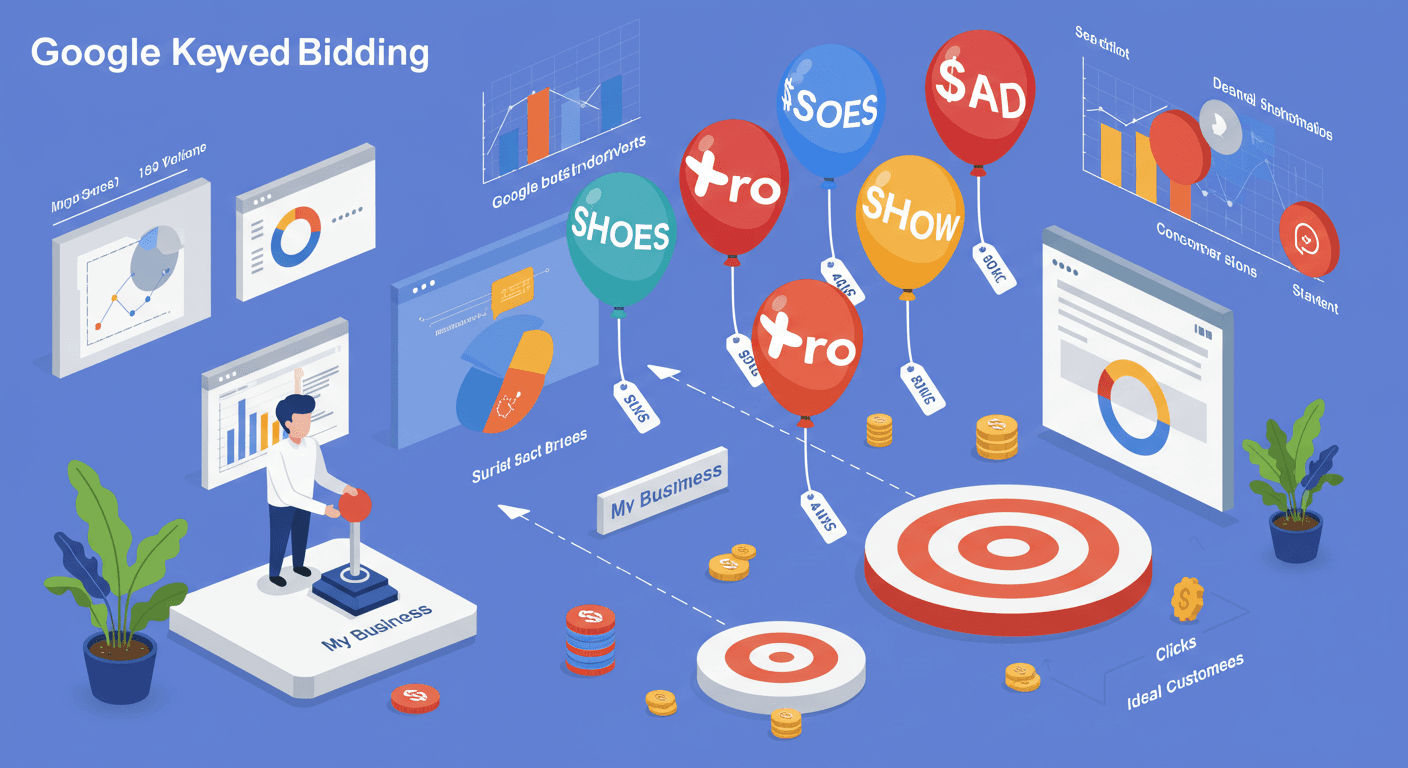
Filtering out waste with aggressive negative keyword lists
Building an aggressive, highly detailed negative keyword list is the fastest way to slash your advertising waste and lower your acquisition costs immediately. Negative keywords tell Google exactly which search terms should never trigger your advertisements under any circumstances. If you sell premium, high-end web design services, you should immediately add words like "free," "cheap," "pdf," "course," and "jobs" to your negative keyword list. This prevents your budget from being wasted on users searching for free tutorials or employment opportunities.
Review your search terms report every two days during your campaign's initial launch phase to spot and block irrelevant queries early. Every time you identify a non-commercial phrase triggering your ad, add it to your master negative keyword list immediately. This continuous refinement cycle creates a tight, highly protective wall around your daily budget.
Over time, your negative keyword lists will become your business’s most valuable intellectual property for digital ad performance. They allow you to enter highly competitive local auctions with full confidence that your money will never be wasted on low-intent search queries. Maintaining clean keyword lists is essential for keeping your acquisition costs remarkably low.
Matching specific exact phrase keywords to user intent
Using Broad Match keywords is the number one mistake that destroys small small business budgets on Google Ads in Nigeria. Broad match gives Google total freedom to show your ad for any search query it feels is vaguely related to your topic, leading to massive budget waste. To get cheap customer acquisitions, restrict your campaign to Phrase Match (using quotation marks) and Exact Match (using square brackets). This forces the system to only display your ads when a user types the exact buying phrases you selected.
This match type restriction prevents the platform from matching your highly specific service ads with broad informational queries that do not generate sales. For example, using phrase match ensures that your ad for "catering services in Lekki" is displayed only to users looking for actual local catering providers. This simple targeting adjustment instantly drops your average bounce rates while boosting your conversion percentages.
While strict match types generate a lower overall volume of daily impressions, the incoming traffic they do drive is highly qualified and ready to convert. This high alignment maximizes the performance of your daily budget, delivering a far better return on investment than loose match types. Keeping your targeting tight is a core rule for low-budget account optimization.
Improving ad quality scores to lower your market costs
Your Google Quality Score is a rating from 1 to 10 that measures how relevant and useful your advertisement is to a searching user. Google rewards highly relevant ads by giving them a massive discount on their actual cost-per-click rates. To skyrocket your Quality Score, ensure your primary keyword is clearly written in your ad headline, your ad description, and your website landing page text. Moving your Quality Score from a poor 5 to an excellent 9 can cut your advertising costs per click completely in half.
This significant price reduction shows why spending time crafting excellent ad text is far more valuable than simply increasing your keyword bids. The platform uses this quality-driven discount mechanism to protect its search engine users from sloppy, irrelevant advertisements. When you align your content perfectly with user needs, you build a highly cost-effective campaign infrastructure.
Continuously test and refine your ad headlines to improve your click-through rates, which is a major factor in Google's Quality Score calculations. High click-through rates prove to the algorithm that your brand offers the most relevant solution for that search query. Earning these quality discounts is how small businesses maximize their returns on tight budgets.
Optimizing mobile landing pages to boost your conversion rates
Over 85% of internet search traffic in Nigeria comes directly from mobile smartphones with varying internet connection speeds. If a user clicks your Google ad and your website takes more than three seconds to load on their phone, they will immediately click the back button, wasting your ad money. To secure cheap customer acquisitions, design ultra-lightweight mobile landing pages that load instantly, feature large readable text, and place a direct WhatsApp call button right at the top of the screen.
A fast, seamless mobile user experience removes all friction from the local buying journey, encouraging users to take immediate action. If your page layout is confusing or difficult to navigate on a small touch screen, mobile visitors will leave and look for an easier option. Keeping your mobile designs ultra-simple maximizes the conversion power of every click you buy.
Always test your landing page performance across various mobile networks and devices to ensure your load times remain incredibly fast. Eliminating unnecessary heavy images and complex tracking scripts keeps your pages running smoothly on low-speed data connections. Optimizing for mobile utility is a vital step for running low-cost digital campaigns.
How to Scale Google Ads With a Small Budget safely?
Scaling your Google Ads account safely means growing your total leads, sales, and business revenue without causing your daily advertising costs to skyrocket uncontrollably. Many small business owners make the mistake of doubling their daily budget overnight, which confuses the system and triggers massive budget waste. Safe scaling must be done carefully, step by step, using proven optimizations.
When you increase your budget limits too quickly, the ad platform pushes your campaign into broader, more expensive auctions to consume that budget. This sudden expansion often drives up your average cost per conversion, wiping out your hard-earned profit margins. True scaling is about maximizing the conversion efficiency of your existing campaigns before adding fresh capital.
This methodical approach ensures that your marketing expansion remains fully funded by real, realized business revenue. It protects your small enterprise from taking on unnecessary financial liabilities during periods of rapid market growth. Implementing careful scaling steps is how you build an exceptionally resilient local sales machine.
Reinvesting profits from winning keywords into higher bids
The safest way to scale a small campaign is to identify your top-performing keywords and selectively increase their specific manual bids. Go to your keywords report, filter by conversions, and isolate the exact phrases that have generated actual sales for your business over the past two weeks. Slowly raise the manual CPC bids for these winning keywords by 10% to 20% while keeping your overall daily budget the same. This directs your existing money away from underperforming phrases and into proven money-makers.
This optimization technique ensures that every single Naira is systematically funneled into the search lines that deliver the highest profit margins. It stops your budget from being spread thin across weak, speculative terms that fail to generate phone inquiries. Focusing your capital on proven winners is a highly effective way to scale safely.
Monitor your campaign closely after making these adjustments to ensure your cost per sale remains within profitable limits. If a keyword's performance drops after a bid increase, return it to its previous baseline price line immediately. This strict control keeps your scaling efforts completely safe from sudden market corrections.
Expanding into hyper-targeted long-tail phrase match variations
Instead of raising your budget on highly competitive keywords, scale your reach by discovering and adding hyper-targeted long-tail keyword variations. Long-tail keywords are highly specific phrases that contain four or more words, such as "affordable dental clinic for children in Ikeja." These long-tail phrases have much lower search competition, which means their cost-per-click prices are incredibly cheap. Adding twenty to thirty of these specific long-tail keywords allows you to scale your total traffic volume safely without increasing your cost per sale.
Consumers who type long-tail queries into their search bars are typically much further along in their buying journeys and ready to make a purchase decision. Their highly specific search terms reveal exactly what they need, allowing you to present a perfectly matching ad solution. This deep alignment delivers exceptionally high conversion rates on a very small budget.
Use your live search term reports to identify successful long-tail variations that users are already typing to find your brand. Add these discovered gems directly into your ad groups as exact match phrases with dedicated manual bid lines. This structured keyword expansion allows your business to grow its market reach steadily and safely.
Scheduling ads during peak converting hours of the day
You do not need to run your ads twenty-four hours a day if your target customers only buy your products during specific business hours. Go to your campaign's "Ad Schedule" tab and analyze your performance data based on the exact hours of the day and days of the week. If you discover that your ads spend money at night but never generate leads after 8 PM, completely turn off your ad delivery for those dead hours. This instantly consolidates your small budget, focusing your power entirely on peak buying hours.
This scheduling adjustment maximizes the seasonal efficiency of your daily marketing budget without requiring you to inject fresh capital. It ensures your brand remains highly visible when your staff is fully available to answer incoming customer phone calls instantly. Eliminating off-peak spending hours instantly improves your overall conversion rates.
Review your campaign's hour-of-day performance reports monthly to spot shifting consumer search habits as local seasonal trends change. Adjust your delivery hours to match these live market patterns, keeping your budget fully optimized. Smart ad scheduling is a highly effective optimization tool for running lean campaigns.
Setting up location exclusions to target high-income areas
Nigeria is a massive geographic market, but your specific paying customers are often highly concentrated within specific cities, states, or high-income neighborhoods. If your product is premium, running ads across the entire country will waste your tight budget on regions where people cannot afford your services. Scale your campaign performance by targeting specific economic hubs like Ikeja, Lekki, or Wuse, and explicitly exclude low-converting locations in your settings to focus your funds where the money is.
Excluding areas that do not generate sales prevents your ads from being displayed to consumers who are outside your operational delivery zones. This simple setting keeps your daily funds concentrated entirely within the specific zip codes that drive real revenue. Geographic precision is an essential requirement for optimizing low-budget campaigns.
As your delivery networks expand, you can gradually open up new geographic zones and test them with dedicated manual bid lines. This controlled expansion method ensures your brand grows its reach without risking its core capital on unproven areas. Keeping your targeting local is how small operations maintain high financial efficiency.
What do real digital marketers say about manual bidding for small budgets?
Real-world digital marketing experts across international PPC forums and LinkedIn communities strongly agree that manual bidding is a vital tool for account survival. While Google heavily promotes its automated Smart Bidding setups to maximize its own ad network revenue, experienced practitioners know that small budgets require a strict human touch. Relying entirely on an unmanaged algorithm often leads to rapid budget waste without clear business explanations.
Industry veterans frequently point out that automated optimization tools function efficiently only when fed massive amounts of daily conversion data. For a small business operating on a limited budget, building that statistical data foundation can take several months of expensive testing. Experienced marketers use manual CPC to bypass these expensive learning curves, securing cost-effective leads right from the initial launch date.
This professional perspective highlights the immense value of maintaining personal, human oversight over your campaign's keyword configurations. It serves as a strong reminder that small businesses must prioritize direct financial safety over automated convenience. Keeping your strategies grounded in real mathematical data is how you build long-term marketing success across highly competitive search channels.
Why experts still use manual CPC for small business accounts
Top-tier digital marketing professionals frequently state that manual CPC is the only way to keep Google's aggressive ad system completely honest. Experts understand that an algorithm's primary goal is to spend your entire daily budget every single day, regardless of whether that spend results in a high-quality lead. By utilizing manual bidding for small business accounts, experts can manually force the platform to target highly specific niche buyers, achieving exceptional return on investment for clients with limited funding.
This continuous human control prevents the ad platform from quietly matching your high-intent product keywords with broad, low-value search variations. It ensures your marketing strategy remains strictly tied to your business's immediate daily cash flow needs. Professional media buyers view manual CPC as a mandatory tool for maintaining total operational integrity over small client accounts.
By personally adjusting keyword price lines based on live performance data, experts can spot and exploit highly profitable market opportunities ahead of automated competitors. This tactical agility allows smaller brands to navigate highly competitive auctions safely and effectively. Human strategic insight remains far more valuable than unmanaged machine optimization loops.
Real-world complaints about automated bidding budget waste
Online professional advertising groups are filled with daily complaints from business owners who watched their small budgets get completely obliterated by automated setups. A common complaint on platforms like Reddit involves automated campaigns spending an entire weekly budget on a single, highly competitive search term that didn't generate a single phone call. These real-world horror stories occur because the automated system tried to force its way into expensive corporate auctions that were completely unsuited for a small business wallet.
These severe performance drops typically happen because automated systems lack real-world context regarding local supply constraints or immediate cash requirements. The machine views a highly expensive click as a valuable learning opportunity, completely unaware that the business needs immediate sales to survive the week. These painful case studies highlight the immense risks of trusting your capital to completely unmanaged algorithms.
Reading through these community complaints serves as a highly practical warning for small business owners who are tempted by automated setups. Protecting your marketing capital from these algorithmic traps requires a disciplined commitment to running strict manual campaigns. Keeping your settings locked down manually provides total protection against sudden budget waste.
How manual bidding solves the cold-start problem for new sites
In the digital marketing industry, the "cold-start problem" describes the intense difficulty of launching a brand new ad campaign on a website with zero tracking history. Automated bidding strategies fail completely during a cold start because they have no foundation to build on, leading to wild overspending or absolute zero ad delivery. Marketing professionals solve this cold-start problem by using manual CPC for the first 30 to 60 days of a campaign to manually feed the system clean, high-quality initial sales data.
This manual data-building phase establishes a highly reliable, highly accurate baseline of user conversion behaviors within your account analytics. It teaches your tracking pixel exactly what a genuine buyer profile looks like before you ever hand control over to a machine algorithm. Bypassing this crucial manual step can lead to permanent campaign instability and high customer acquisition costs.
Using manual CPC during a cold start also allows you to test your landing page performance safely without risking massive amounts of testing capital. It gives your business the space needed to fix structural load errors and optimize your sales layout using real traffic data. Solving the cold-start problem systematically is how you build a stable marketing asset.
The consensus on bidding strategies under fifty dollars a day
The overwhelming community consensus among professional media buyers is that any Google Ads campaign operating with a daily budget under fifty dollars must start on manual bidding. Automated smart bidding requires deep financial pockets to survive the volatile algorithm learning phases without going broke. For small businesses looking to maximize every single dime of their budget, starting with manual CPC is the universally recommended path to maintain safety, maintain predictability, and drive consistent local business growth.
This clear industry consensus highlights why following automated platform recommendations can be highly dangerous for smaller marketing budgets. Small business owners must prioritize strict financial predictability over theoretical optimization features that require deep corporate bank accounts. Sticking to proven manual strategies keeps your operations highly stable and profitable over time.
Mastering manual keyword bidding is the absolute ultimate way for small businesses in Nigeria to run high-performing Google Ads without wasting their hard-earned capital. By taking full personal control of your cost-per-click limits, optimizing your quality scores, and aggressively filtering out bad keywords, you protect your wallet while driving real sales.
Ready to stop wasting your daily advertising budget on empty clicks that never convert? Contact us at Bizmartek Digital Services today to launch a hyper-optimized, budget-friendly search campaign that maximizes every single kobo of your marketing budget.
Want a guaranteed permanent customer traffic machine on Google without wasting your budget?
Frequently Asked Questions (FAQs)
Yes, manual bidding is fully available in Google Ads, though Google hides the option behind advanced setup menus during new campaign creation.
A small business in Nigeria can safely start with a daily budget of 3,000 to 5,000 Naira using highly targeted manual CPC bidding to secure high-quality local leads.
Yes, manual CPC includes search partner traffic by default, but you should manually uncheck the search partners option in your campaign settings to save your budget.
You should review your manual keyword bids two to three times a week, making small 10% adjustments based on your live keyword conversion data.
Yes, you can easily change to smart bidding later once your manual campaign accumulates at least 30 consistent sales within a single month.
Ready to Grow Your Sales Online?
Stop guessing. Get proven digital marketing strategies that bring in real customers.
Get Started With UsFree to start • No credit card required